Preventing outages and increasing resiliency of the electric grid
PR - Madison, WI - On Tuesday, January 24, 2023 at 10am, the State Energy Office will hold a virtual public hearing related to federal funding from the Bipartisan Infrastructure Law (IIJA or BIL) Section 40101(d) “PREVENTING OUTAGES AND ENHANCING THE RESILIENCE OF THE ELECTRIC GRID.”
Interested organizations and Wisconsin citizens are invited to attend, and if possible, provide a public comment as to how you think federal funding can be best spent in the State of Wisconsin related to this program. Written comments may also be filed on or before Jan. 31 at https://apps.psc.wi.gov/ERF/ERF/comment/filecomment.aspx?util=9713&case=FG&num=2022.
The State of Wisconsin Energy Office will receive approximately $5 million each year for 5 years (approximately $25 million in total) for the purpose of improving the resilience of the electric grid against disruptive events.
The State Energy Office would benefit from your perspective on which activities listed below may provide the best resilience benefits to Wisconsin.
Funding may be used to issue sub-awards to eligible entities to implement a wide range of resilience measures. Eligible entities include:
a) an electric grid operator;
b) an electricity storage operator;
c) an electricity generator;
d) a transmission owner or operator;
e) a distribution provider;
f) a fuel supplier; and
g) any other relevant entity, as determined by the Secretary (of DOE).
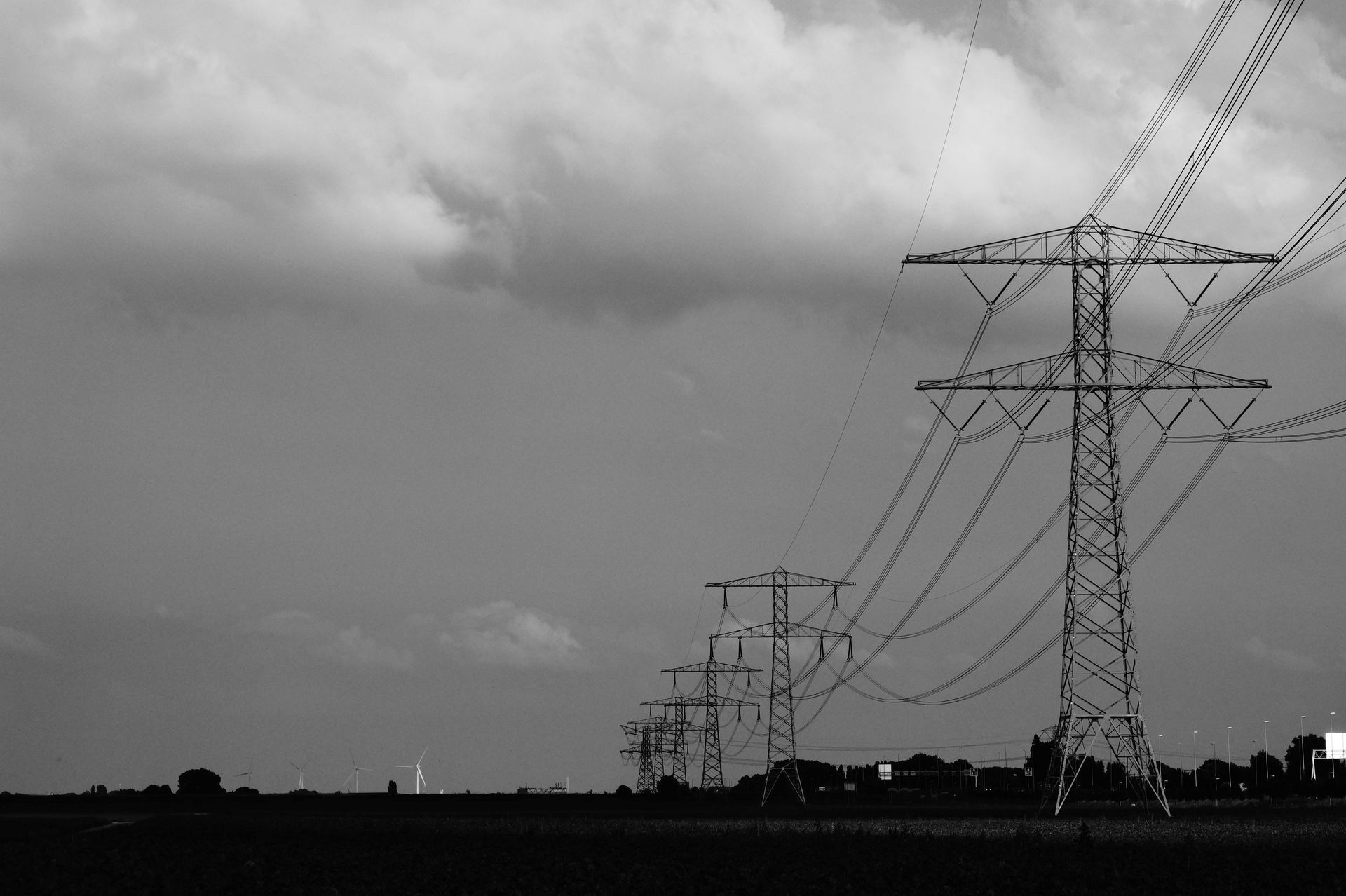
The objective of this Program is to improve the resilience of the electric grid against disruptive events. Per BIL section 40101(a)(1), a disruptive event is “an event in which operations of the electric grid are disrupted, preventively shut off, or cannot operate safely due to extreme weather, wildfire, or a natural disaster.”
To achieve this objective, funding provided by DOE under this Program may be used to implement a wide range of resilience measures intended to mitigate the impact of disruptive events, including:
a) weatherization technologies and equipment;
b) fire-resistant technologies and fire prevention systems;
c) monitoring and control technologies;
d) the undergrounding of electrical equipment;
e) utility pole management;
f) the relocation of power lines or the reconductoring of power lines with low-sag, advanced conductors;
g) vegetation and fuel-load management;
h) the use or construction of distributed energy resources for enhancing system adaptive capacity during disruptive events, including:
a. microgrids; and
b. battery-storage subcomponents;
i) adaptive protection technologies;
j) advanced modeling technologies;
k) hardening of power lines, facilities, substations, of other systems; and
l) the replacement of old overhead conductors and underground cables.
Funding may also be used for the training, recruitment, retention, and reskilling of skilled and properly credentialed workers in order to perform the work required for the particular resilience measures listed above and described by the State.
The Notice of Hearing and instructions for participating in the public hearing can be found here: https://apps.psc.wi.gov/ERF/ERFview/viewdoc.aspx?docid=454445
Customers First Coalition Blog